
…and that is why the conversation around weight loss has changed so drastically in the last twenty-four months. It isn’t just about willpower or eating less; it is a fundamental shift in how medical science treats metabolic dysfunction.
The Reality Check Before You Prescribe or Purchase
Before you step into a clinic or browse an online pharmacy, you need to understand that weight loss medications are not a single, monolithic category. They are a collection of distinct chemical tools that work through different biological pathways. Some target hunger signals in the brain, while others prevent fat absorption or alter insulin production. Mixing these up is a fast track to side effects or, worse, zero results.
You should also realize that „off-label” use is a major part of this market. Doctors often prescribe medications for purposes other than their primary FDA-approved indication. For example, drugs originally designed for Type 2 diabetes are being used heavily for weight management. This is a legal reality, but it changes how you approach the conversation with your healthcare provider. You need to know if the drug you are taking was designed for your specific metabolic needs or if it is being repurposed.
Cost is the silent elephant in the room. Many of the newest, most effective injectables come with a price tag that can derail a budget. Insurance companies are currently fighting tooth and nail over coverage, often leaving patients to choose between their mortgage and their medication. If you don’t have a clear plan for how to sustain the cost for the long term, you are essentially setting yourself up for a rebound effect when the prescriptions run out.
It’s a messy, complicated business. You have to weigh the efficacy of an injection against the convenience of a pill. You have to consider if your body can handle the gastrointestinal shifts that come with rapid metabolic changes. It’s not a simple math problem. It is a biological negotiation.
Step 1: Identify Your Biological Target
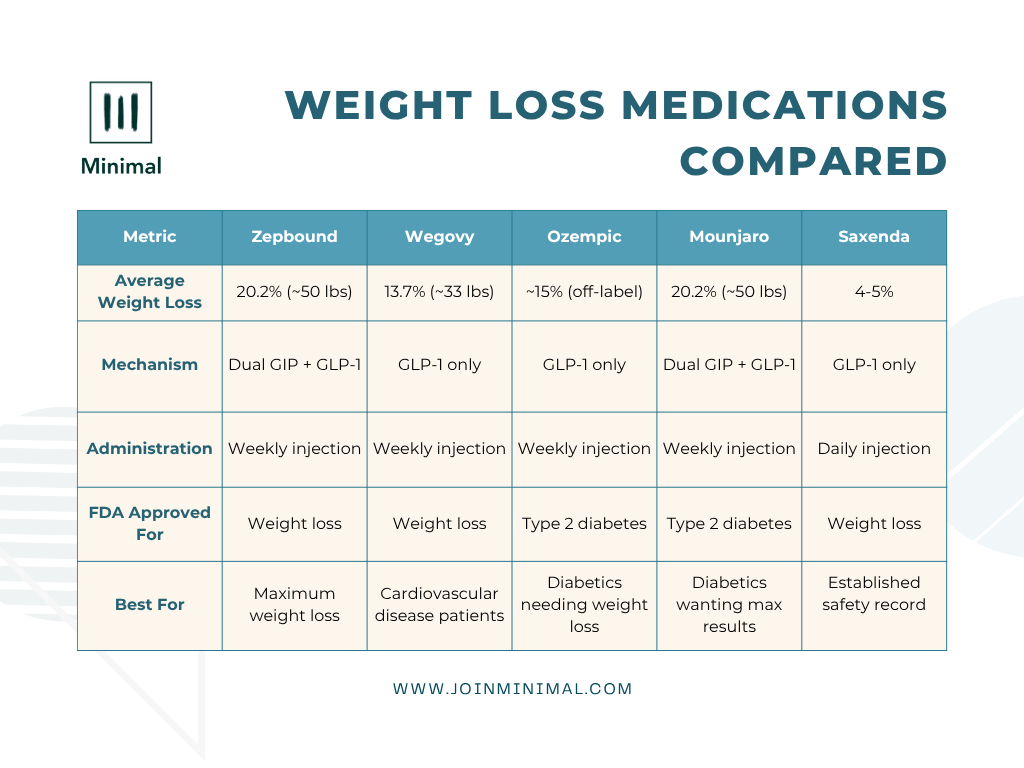
The first step in choosing a path is deciding which part of your metabolism is the primary obstacle. Are you struggling with „food noise”—that constant, intrusive thought about your next meal? If so, you are likely looking at GLP-1 agonists. These medications, including semaglutide (Wegovy), tirzepatide (Zepbound), and liraglutide (Saxenda), have fundamentally changed how the medical community views obesity by targeting the hormones that signal fullness.
If your issue is more about appetite suppression through different pathways, you might look at older, oral options. Unlike the newer injectables that mimic hormones, these drugs often work by modifying energy balance or suppressing appetite through the central nervous system. You aren’t just looking for a „weight loss pill”; you are looking for a specific mechanism of action that matches your specific hunger patterns.
Consider this comparison of common classes:
| Medication Class | Common Examples | Primary Action |
| GLP-1 Receptor Agonists | Semaglutide, Liraglutide | Slows digestion and signals fullness. |
| GLP-1/GIP Dual Agonists | Tirzepatide | Targets multiple hormone receptors. |
| Sympathomimetic Amines | Phentermine | Stimulates the nervous system to suppress appetite. |
| Combination Therapies | Contrave, Qsymia | Targets multiple pathways (e.g., dopamine/norepinephrine). |
Do not assume that because a drug is popular, it is the right one for your specific chemistry. Some people find the injectables cause debilitating nausea, while others find that oral stimulants like phentermine make them feel jittery or anxious. You have to match the drug to your symptom profile.
Step 2: Evaluate the Delivery Method and Potency
Delivery is a massive part of the user experience. You have the choice between subcutaneous injections and oral pills. Many of the most effective modern treatments require a weekly or daily shot. While the needle phobia is real, the consistency of the blood levels provided by these injections is often superior for weight control. If you can’t stick to a weekly schedule, the pill might be your only choice, even if it’s less potent.
For those looking for alternatives to the high-cost or high-frequency injections, there are several oral options. These include Zepbound and Saxenda, which are FDA approved for weight management, or the more traditional oral pills. You might even consider Orlistat, which is considered the best otc weight loss medication, though it works quite differently by preventing the absorption of fat in the gut rather than affecting the brain.
You have to be honest about your lifestyle. If you travel constantly for work, carrying a refrigerated medication like Semaglutide can be a logistical nightmare. On the other hand, a pill you take every morning is easy to manage but might lack the heavy-hitting metabolic impact of a GLP-1. It is a trade-off between convenience and raw power. There is no perfect option.
The Magazin der Christophorus Apotheke can offer more context on how different delivery formats impact your long-term adherence. Knowing how you handle a daily routine versus a weekly ritual is essential before you commit to a specific prescription.
Step 3: Screen for Long-Term Sustainability and Side Effects
Most people think about the weight they will lose, but very few think about the metabolic state they will be in once they stop the medication. The medical community is still figuring out the long-term implications of these high-potency drugs. Will you need to stay on them forever to prevent weight regain? The current evidence suggests that for many, the medication is not a temporary fix but a long-term management tool, much like blood pressure medication.
Then there is the side effect profile. You should prepare for the possibility of nausea, constipation, or diarrhea, which are common with many of these options. If you choose a stimulant-based drug like Phentermine, you need to be prepared for potential insomnia or an increased heart rate. If you choose a combination therapy like Qsymia, which uses phentermine-topiramate, you might face cognitive side effects like tingling in your extremities or mood changes.
Check your medical history thoroughly. Do you have a history of pancreatitis? Are you prone to gallstones? Are you struggling with depression? Many of these drugs interact with your existing mental health or digestive health. A doctor who just writes a script without looking at your full history is doing you a disservice. You need a comprehensive review of your metabolic and psychiatric profile before starting any pharmaceutical intervention.
The Pitfalls of the „Quick Fix” Mentality
The biggest mistake is treating weight loss medication like a sprint instead of a marathon. People often see a massive drop in pounds in the first month and assume they have „solved” their weight issue. They stop tracking their nutrition, they stop moving, and they stop managing their sleep. They forget that the medication is a tool to create a caloric deficit, not a magic wand that burns fat while you eat pizza. If you don’t change the underlying habits, the weight will return the moment the medication is discontinued.
Another error is ignoring the „muscle vs. fat” distinction. When you lose weight very quickly via GLP-1 agonists, a significant portion of that weight can be lean muscle mass. If you aren’t prioritizing protein intake and resistance training, you risk becoming „skinny fat”—a state where your weight is lower, but your metabolic health remains poor because your muscle-to-fat ratio has tanked. This is a common trap for those who rely too heavily on the drug and not enough on the plate and the gym.
Finally, don’t ignore the psychological aspect of eating. Medication can quiet the „food noise,” but it doesn’t solve the emotional triggers that lead to binge eating or emotional consumption. If your relationship with food is rooted in trauma or deep-seated coping mechanisms, a pill will only mask the symptom, not cure the cause. Real, lasting weight management requires addressing the brain as much as the biology.
The landscape of obesity treatment is shifting from a matter of „willpower” to a matter of „chemistry.” We are just beginning to understand the full scope of what these drugs can do for human health.
Legutóbbi hozzászólások