
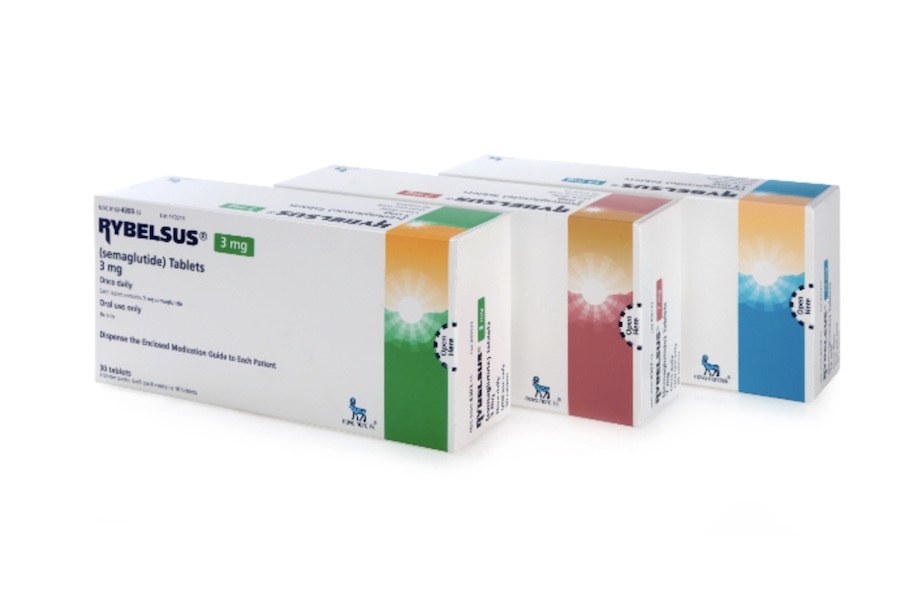
One single tablet can change how your body handles glucose, but only if you follow a very specific set of rules. If you don’t, the medication might not even work.
If you’ve been researching weight management or blood sugar, you’ve definitely heard about semaglutide. Most people picture a weekly injection, a tiny needle doing all the heavy lifting. But there is another option: Rybelsus. It’s the oral version of that same ingredient, made for people who want the benefits of a GLP-1 receptor agonist without the needles.
To put it simply, Rybelsus gives you a way to take semaglutide in a pill once a day. It mimics a hormone your body already produces to help regulate insulin and slow down how fast your stomach empties. The result is feeling full for longer and avoiding those aggressive blood sugar spikes after a meal.
But don’t expect to just swallow a vitamin with your morning coffee and call it a day. This medication is a bit of a diva for absorption. If you don’t take it exactly as instructed, you’re basically swallowing a sugar pill. You have to be precise.
The Science of Getting it Into Your System
The biggest problem for any oral medication is the stomach. It’s a harsh environment meant to break things down, not absorb them. Most peptides, the category semaglutide falls into, get destroyed by stomach acid before they ever hit your bloodstream. That’s why the injectable version is so popular; it skips the digestive system entirely.
To get around this, manufacturers added an absorption enhancer called SNAC. This helps the semaglutide slip through the stomach lining. Even with that help, the process is finicky. You can’t just take it whenever you feel like it. Timing is everything.
You have to take it first thing in the morning on a completely empty stomach. No food, no coffee, no juice. You’ve got to wait at least thirty minutes before eating or drinking anything else. If you eat too soon, the food in your stomach will grab that medication and carry it right out of your body before it can do its job. It’s a frustrating ritual, but it’s the only way to make sure the drug actually works.
If you miss a dose or mess up the timing, your appetite might come roaring back or your blood sugar might start to drift. Consistency is the name of the game. You might think a small snack won’t matter, but it actually does. The absorption window is incredibly narrow.
Comparing the Tablet to the Injection
Choosing between a pill and a needle is personal. It really comes down to your lifestyle and how your body reacts. For some, a weekly needle is a dealbreaker. For others, a daily pill feels like a chore that’s easy to forget. You have to decide which type of commitment fits your life better.
The daily pill requires more precision. You have to remember it every single morning. A weekly injection is more „set it and forget it.” If you struggle with morning routines, the pill might feel like a burden. If you hate needles, the pill is a massive relief.
The way the medicine enters your system is also a bit different. Because the pill goes through the gut, some people report more nausea or an upset stomach than those using the injection. That isn’t a rule, but people do notice it. It’s a trade-off between convenience and side effects.
Think about the logistics, too. Carrying a small pill bottle is easier than carrying a cold-storage kit for a pen. But if you travel across time zones often, sticking to that „empty stomach” rule can be a nightmare. You might want to check the rybelsus price germany or similar localized costs to see how the long-term expense fits your budget, since daily pills can add up differently than a single weekly dose.
| Feature | Rybelsus (Oral) | Injectable Semaglutide |
| Frequency | Once Daily | Once Weekly |
| Administration | Swallow Tablet | Subcutaneous Injection |
| Requirement | 30-minute fasting | Minimal timing restriction |
| Storage | Room Temperature | Refrigerated/Controlled |
Managing Your Body’s Expectations
Don’t expect a dramatic change overnight. It rarely works that way. It’s usually a slow shift in how your body perceives hunger. You might just notice you aren’t reaching for that second helping of pasta, or that you feel satisfied with a much smaller portion than you used to eat.
Nausea is the most common side effect when you start. It often peaks during those first few weeks while your body adjusts to the new hormone levels. This is usually temporary. Most people find that once the body gets used to the semaglutide, that queasy feeling settles down. It’s just a transition period.
Weight loss isn’t a guarantee, though it is a common outcome. The pill isn’t a magic wand. It works best when you pair it with a way of eating that supports your goals. If you keep eating high-calorie foods, you might find the results are much slower than you wanted. It changes your biological signals; it doesn’t force you to stop eating entirely.
Hydration matters a lot here. Since the medication slows digestion, constipation can become an issue. Staying on top of your water intake is non-negotiable. It keeps things moving and helps with some of the common side effects.
Navigating the Practicalities of Daily Use
Living with a daily medication takes some mental prep. You have to be disciplined about that 30-minute window. It helps to set a phone alarm or keep the pills right next to your toothbrush. If you wait until you’re halfway through breakfast to remember your pill, you’ve missed your window for the day.
Then there is the physical sensation. Some users report a feeling of „fullness” that stays for hours. That’s great when you’re trying to avoid overeating, but it can be annoying if you have social plans involving a big dinner. You’ll have to learn to listen to these new signals. It’s a different kind of hunger.
Consistency helps with side effects. If you skip days or take it at different times, your hormone levels will fluctuate, which can actually make the nausea worse. Pick a time and stick to it. Your body likes predictability when you’re messing with its metabolic signaling.
Finally, keep an eye on cost and availability. While tablets are convenient, they are a daily commitment. You need to make sure you always have a supply. Running out of pills is much more disruptive to your progress than missing a weekly injection. It’s a small detail, but it matters when you’re trying to maintain a rhythm.
Your journey with semaglutide is as much about habit formation as it is about biology.
Legutóbbi hozzászólások